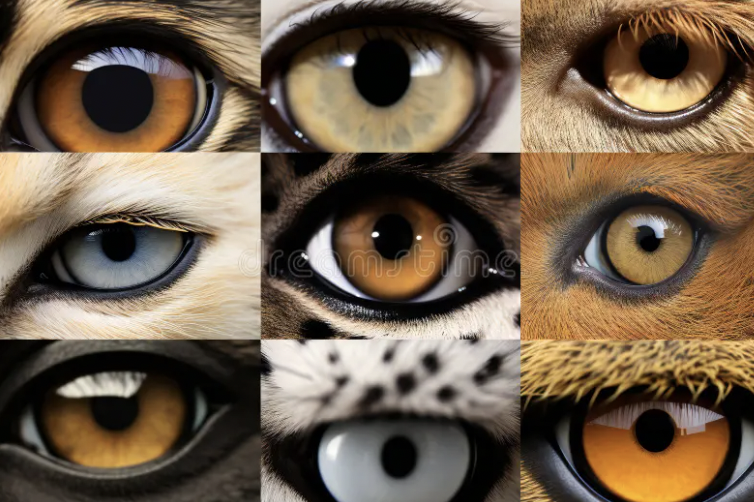
Arranged for Comfort, 2025
In 2025, humans continued to kill and injure animals without mercy or needing to see them. Death did not demand witnesses. It operated cleanly, quietly, beneath language so polished that violence became procedure and procedure passed for neutrality. Animals entered the world already reduced to outcomes—calves as milk-in-waiting, chicks as margins, piglets as yield curves, fish as tonnage—bodies assigned destinations before sensation had time to form resistance, before refusal could even be conceptualized.
Newborn calves were taken from grieving mothers, not in moments of cruelty but by timetable, protocol, and optimization. Separation arrived as policy, justified as efficiency. Their distress was routed into insulated corridors built to absorb sound, to convert panic into background interference, their confusion dismissed as malfunction rather than meaning. Milk continued to move. Eggs accumulated. Flesh swelled. And the public praised abundance not out of ignorance but out of relief—because by 2025 the costs had been perfected into invisibility, engineered to vanish, designed not merely to hide what abundance consumed, but to erase the idea that anything had been taken from anyone at all.
Birds were shaped until they could no longer support themselves, bred to swell beyond bone and breath, collapsing beneath prosperity forced into their frames. Their beaks were burned away to prevent the madness confinement induced from becoming less profitable. The unnecessary males were eliminated early and efficiently, ground to pulp before their down learned warmth. Pigs, intelligent enough to recognize boredom and mirrors, were immobilized until intelligence turned inward and fermented into terror, their bodies altered without relief so that systems built on stress continued uninterrupted. They were lowered into gas chambers where lungs burned and bodies stacked as breathing failed, animals pressing upward in mechanical pursuit of air. The method was defended as humane because it was repeatable, and repeatability—measurable, scalable, efficient—had replaced conscience.
Fish were scraped from the sea in volumes so immense that death became statistical. Nets erased underwater histories without witnesses while suffocation stretched across decks. The unwanted were renamed bycatch and returned ruined, while others were confined in floating cages where parasites consumed them alive and waste festered beneath like an unacknowledged conscience. Fish were killed by suffocation. Delay and pain tolerated because speed was cheaper than ethics.
Cows were drained again and again until infection, lameness, or exhaustion rendered them inconvenient, at which point they were quietly repurposed, collapse framed as efficiency rather than depletion. Calves were removed within hours, raised for veal or replacement, maternal bonds treated as interference. Sheep were shorn in haste and cut for speed, discarded for wool that cost less than care. Horses were raced until joints failed, dogs were bred into deformity for novelty, reptiles were skinned alive for texture, birds were plucked while living because regeneration was cheaper than mercy. Fur was harvested by methods calibrated to preserve pelts rather than consciousness, traps, gas and electrocution adjusted to protect appearance rather than sensation. Leather was softened, polished, admired, its origin disguised until touch itself was perversed into an act of complicity
In laboratories, pain was refined into protocol. Eyes were burned to study makeup, spines were broken to observe paralysis, primates were restrained until despair could be graphed. Analgesia was optional. Endpoints were negotiated. Death was procedural, never personal. Elsewhere, poison was laid for insects and traveled upward through food chains, thinning birds from skies that grew quieter each year. Wetlands were drained, habitats replaced with grazing fields.
Language did the rest. Harvest replaced killing. Process replaced dismemberment. Cull replaced excess. Optimize replaced harm. Slaughterhouses were moved away from view, farms sealed, footage forbidden, children spared the discomfort of knowledge that might interfere with appetite. One could pass through an entire life in 2025 nourished by suffering and never once be forced to imagine the precise moment when breath stopped because their demand required it.
What endured through 2025 was not cruelty itself but its finish. Each abuse had been perfected, standardized, defended. Each horror rendered ordinary through repetition. And like the catalogues of objects once amassed for pleasure—jewels, fabrics, instruments, perfumes—this inventory grew more seductive the longer one lingered over it, because excess dulled judgment and saturation replaced disgust with fatigue.
It was not that people had been ignorant in 2025.
It was that everything had been arranged so knowledge no longer mattered.